 WhatsApp Us
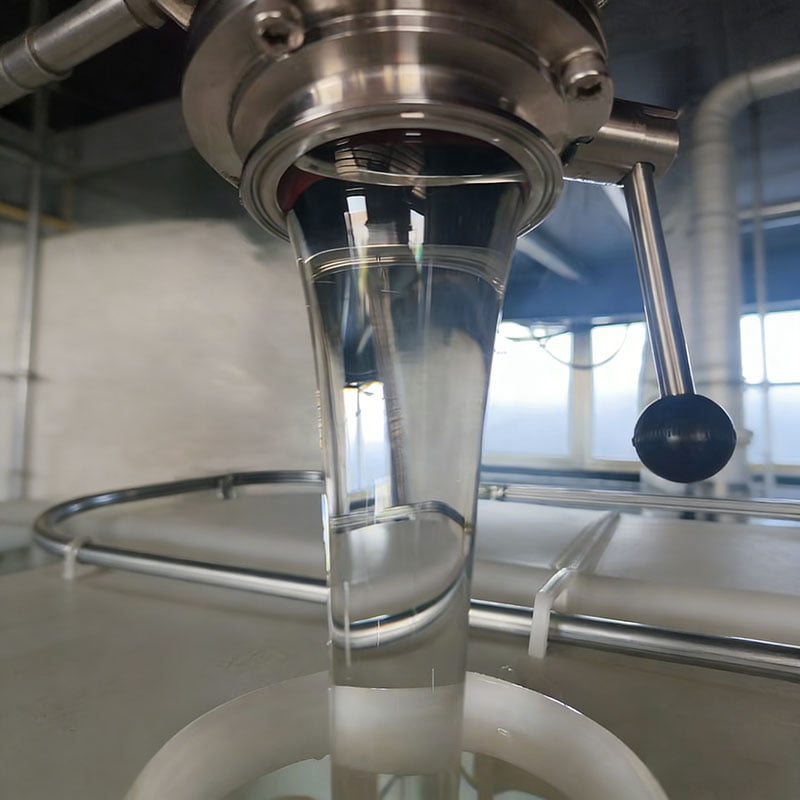
Manta MS3030T is a silane-terminated polyether (MS) polymer (viscosity 10,000–15,000 mPa·s at 25°C, density ca. 1.0 g/cm³) used as a base resin for elastic sealants, structural adhesives, encapsulants and coatings in construction, transportation and DIY markets. It cures with moisture without releasing CO₂, giving bubble-free, odorless joints, and is solvent-free and isocyanate-free.
Manta MS3030T is a low-viscosity, alkoxy-silane terminated polyether polymer featuring a high-purity polyoxypropylene backbone. Specifically engineered to replace traditional polyurethane and silicone systems, it provides a solvent-free and isocyanate-free base for high-performance elastic sealants and structural adhesives.The polymer cures at ambient temperature through a moisture-triggered cross-linking mechanism. Unlike PU systems, it releases no CO₂ during curing, ensuring a bubble-free and odorless finish. With a low glass transition temperature (Tg), MS3030T maintains stable mechanical properties and superior elasticity across a wide temperature range.
Properties
- Moderate Activity, Moderate Modulus
- Good adhesion strength
- Fast curing, non-tin catalysts used if needed, more eco-friendly
- Excellent aging and yellowing resistance
- Excellent water resistance, resistance to chemical corrosion
- Excellent elastic recovery rate
- Excellent storage stability
- Solvent free, odourless, eco-friendly
- Could be blended with other Mantapolymers