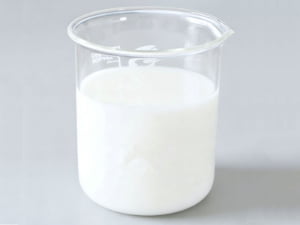
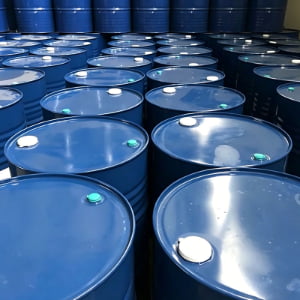
Integral Waterproofing: Widely used as a high-performance waterproofing admixture for concrete and cement mortars in various construction projects, offering enhanced crack resistance and structural integrity.
Surface Treatment: Highly effective when applied as a surface waterproofing and moisture-proofing treatment for diverse substrates, including concrete, clay products, gypsum, masonry (bricks), and thermal insulation materials.
Application Areas
Transportation Infrastructure: Waterproofing for high-speed rail projects and highway pavements.
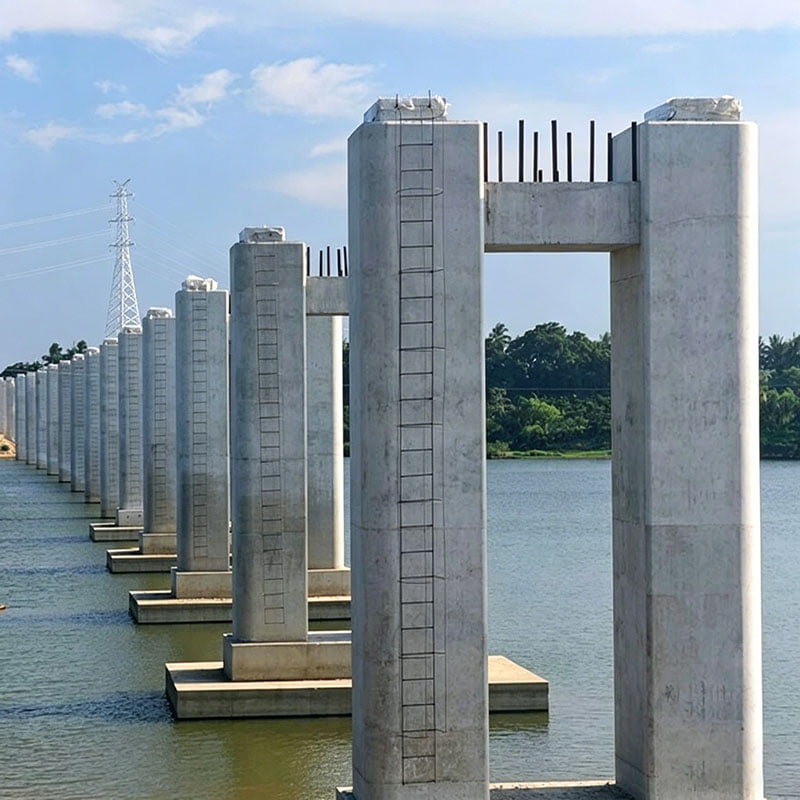
Bridge Structures: Concrete piers, abutments, and bridge decks.
Underground Construction: Culverts, tunnels, subways, and underground parking garages.
Marine Engineering: Seawalls, docks, and coastal structures.
Water Retaining Structures: Reservoirs, dams, hydroelectric stations, and water diversion channels.
Precast Concrete: Manufacturing of water-resistant cement tiles and blocks.
Residential & Commercial Wet Areas: Swimming pools, rooftops, bathrooms, and kitchens.
Instructions: Cement Mortar Mixing (Admixture)
Dry Mixing: Weigh the cement and aggregates according to your mix design and mechanically mix them until uniform.
Water Preparation: Dose the waterproofing agent at 1.0% to 2.0% of the total cement weight. Add the agent to the gauging water and stir evenly. (Note: The recommended water-to-cement ratio is typically 0.35–0.40).
Wet Mixing: Slowly add the agent-water mixture to the dry cement blend under continuous mechanical stirring until a homogeneous, lump-free consistency is achieved.
Application: Apply the modified mortar by pouring or troweling (scraping).
Pot Life & Compatibility: Use the prepared mixture within 3 hours. Prolonged standing in a highly alkaline environment may cause premature cross-linking, reducing the waterproofing efficacy. Standard additives, such as water reducers and water-retaining agents (e.g., HPMC at 0.2%), should be added as usual.
Curing: Protect the applied area from rain and direct sunlight for the first 24 hours (minimum 8 hours). A preliminary surface water repellency test can be conducted after 48 hours.
Optimum Performance: Allow 7 days of natural curing to achieve the maximum waterproofing effect.
Instructions: Brush or Spray (Surface Treatment)
Surface Preparation: Prior to application, thoroughly clean the substrate to remove all dust, laitance, loose particles, and oily residues.
Moisture Requirement: The substrate surface must be visibly dry to ensure maximum penetration of the active ingredients and optimal waterproofing performance.
Dilution & Application: Dilute the waterproofing agent with clean water at a ratio of 1:8 to 1:15 and stir well. Apply evenly using a low-pressure sprayer, brush, or roller in a cross-hatch pattern, ensuring complete coverage without missing spots. A single saturating coat is usually sufficient. For highly porous substrates or stricter waterproofing requirements, a second coat can be applied wet-on-wet or immediately after the first coat appears dry.
Storage of Dilution: Prepare fresh dilutions as needed. Do not store the diluted solution for extended periods. If unavoidable, keep it tightly sealed and use within 6 months. (Note: This product cannot bridge macroscopic cracks. All visible cracks must be repaired and filled prior to the waterproof treatment.)
Weather Conditions: Apply only when the ambient temperature is between 4°C and 40°C. Low temperatures significantly retard the formation of the hydrophobic film, while high temperatures cause rapid evaporation, limiting penetration depth. Protect the treated surface from rain for at least 24 hours. A complete hydrophobic network typically forms within 4 hours in summer and 10 hours in winter.


 WhatsApp Us