 WhatsApp Us
Silane-based water repellents divide into two broad categories: film-forming sealers that coat the substrate surface, and penetrating silanes that chemically bond within the substrate’s capillary structure. L320 OCTEO belongs firmly to the second category — and the distinction matters more than it is often given credit for, because it determines whether protection survives surface abrasion, UV degradation, and the inevitable micro-cracking that occurs in concrete structures over time.
This article covers how L320 OCTEO works at the molecular level, how to formulate and apply it correctly, and where it performs — and where it does not.
What L320 OCTEO Is
L320 OCTEO is a low-molecular-weight silane monomer with the INCI/chemical name Octyltriethoxysilane (CAS: 2943-75-1). Its molecular architecture consists of two functional parts: a triethoxysilane group that reacts with inorganic substrate hydroxyl groups to form a permanent covalent bond, and a non-polar octyl chain (C8) that orients outward from the bonded silane network to create hydrophobicity.
This combination — reactive anchor plus hydrophobic tail — is the structural basis for both its performance and its substrate selectivity, which will be addressed in detail below.
Reaction Mechanism: What Happens Inside the Substrate
Understanding the cure chemistry of L320 OCTEO is not academic. It directly determines processing parameters, shelf life of prepared solutions, and why the product fails on certain substrates despite correct application.
Step 1 — Penetration. As a monomer with low molecular weight and low viscosity, L320 OCTEO penetrates deeply into the capillary network of porous inorganic substrates. This distinguishes it from oligomeric siloxane products, which offer faster surface treatment but shallower penetration. In standard concrete at 40% active concentration in solvent, penetration depth is typically 3–5 mm — deep enough to remain protective after surface weathering removes the outermost layer.
Step 2 — Hydrolysis. In the presence of ambient moisture and either acidic or alkaline conditions, the three ethoxy groups (–OEt) on each silicon center hydrolyze to silanol groups (–SiOH), releasing ethanol as a byproduct. This step requires water — which is why the product works on damp substrates, and why an absolutely dry substrate is not required (though it is preferred for maximum capillary suction).
Step 3 — Condensation and bonding. The reactive silanol groups undergo two simultaneous reactions: self-condensation with adjacent silanols to form a Si–O–Si network, and reaction with surface hydroxyl groups (–OH) on the substrate to form permanent Si–O–substrate bonds. The octyl chains orient away from the substrate surface into the capillary space, creating a three-dimensional hydrophobic network that repels liquid water while allowing water vapor to pass — maintaining substrate breathability.
Why alkaline environments accelerate curing: Freshly poured concrete has a pH of 12–13. This alkalinity catalyzes the hydrolysis and condensation reactions, accelerating the full cure cycle. On older, carbonated concrete where surface pH has dropped toward neutral, the reaction proceeds more slowly and protection depth is reduced — which is why L320 OCTEO is specified for concrete cured less than one year when maximum performance is required.
Substrate Compatibility: Where L320 OCTEO Works and Where It Does Not
This is the most common source of field application failures, and the mechanism is straightforward once understood.
Reactive substrates — effective: L320 OCTEO requires surface hydroxyl groups (–OH) to form a covalent bond. Materials with abundant surface hydroxyl groups include:
- Siliceous materials: glass, fiberglass, quartz, silica sand
- Metal hydroxides: aluminium oxide/hydroxide (Al(OH)₃), magnesium hydroxide (Mg(OH)₂)
- Oxidized metal surfaces: steel, iron, and other metals with native oxide layers
- Cementitious materials: concrete, mortar, masonry (particularly when alkaline)
Non-reactive substrates — ineffective: Substrates lacking surface hydroxyl groups do not provide bonding sites. Treating these with L320 OCTEO results in no permanent adhesion — the product washes off or wipes away without forming a durable hydrophobic layer. Non-reactive substrates include:
- Calcium carbonate (limestone, chalk, marble)
- Graphite and carbon black
- Barium sulfate
- Most unfunctionalized organic polymer surfaces
For mineral filler modification applications, this means the substrate selection step is non-negotiable: verify that your filler has reactive surface hydroxyl chemistry before specifying L320 OCTEO.
Formulation Guide
Aqueous Solution Preparation
Water-borne treatment is the preferred format for architectural waterproofing applications where solvent use is restricted by regulation, ventilation constraints, or proximity to occupied spaces.
Preparation requires careful pH management, because L320 OCTEO hydrolyzes readily under both acidic and alkaline conditions — which means an incorrectly prepared aqueous solution will self-polymerize before it reaches the substrate.
Protocol:
- Adjust water pH to 5–4.5using an organic acid — acetic acid (standard) or formic acid. This mildly acidic range slows premature self-condensation while maintaining hydrolysis activity.
- Add L320 OCTEO at a concentration of ≤ 2% activeunder continuous mechanical agitation.
- Mix for a minimum of 30 minutesuntil the solution is completely clear and homogeneous.
- Use within 24 hoursof preparation.
Critical check: Cloudiness in the prepared solution indicates premature self-polymerization has begun. The product has converted from the active monomer to insoluble polysiloxane and will not penetrate or bond to the substrate. Discard and prepare fresh solution. Do not attempt to restore a cloudy solution by agitation.
Solvent-Based Dilution
Solvent-borne formulations achieve greater penetration depth and are preferred for deep waterproofing of dense or highly compacted concrete.
Compatible solvents: Alcohols, aliphatic hydrocarbons (mineral spirits, white spirit), aromatic solvents (xylene, toluene).
Standard application concentrations: 20% active (light-duty waterproofing, surface modification) or 40% active (deep waterproofing, aggressive exposure environments). At 40% in standard solvent, penetration depth in normal concrete is 3–5 mm.
Aesthetic verification: Apply to a test area and allow full cure. If the substrate darkens or shows visible discoloration, evaluate an alternative solvent — this indicates resin residue rather than clean hydrophobic treatment.
Safety note: All solvent-borne dilutions require adequate ventilation and strict fire safety protocols. Ensure spraying equipment uses solvent-resistant hoses and gaskets throughout.
Mineral Filler Treatment
For surface modification of mineral fillers (silica, aluminium hydroxide, glass fiber) to improve dispersion and compatibility in polymer matrices:
- Blend L320 OCTEO directly with the mineral filler under high-speed shear. No solvent is required.
- After blending, cure at 104–121°Cfor sufficient time to complete polycondensation and drive off residual ethanol.
- Verify treatment completion: correctly treated filler will show improved dispersibility in non-polar resin systems and measurably reduced water absorption.
Application Instructions for Architectural Waterproofing
Surface preparation: Surfaces must be structurally sound, free of standing water, dirt, oils, and existing sealers. Repair cracks and spalls before treatment — L320 OCTEO is a penetrant, not a bridging material. While application on damp surfaces is possible, a visibly dry substrate maximizes capillary suction and penetration depth.
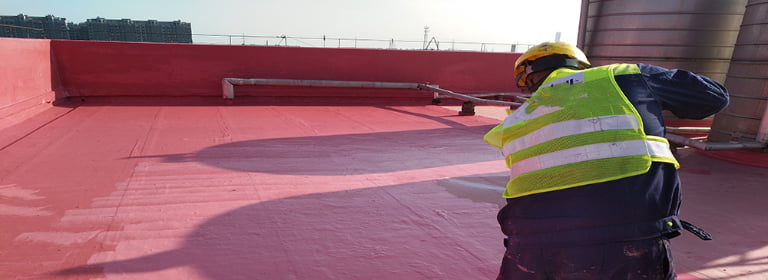
Application method: Apply by airless sprayer (preferred for large areas and consistent coverage), roller, or brush. Apply liberally using the flooding method — the surface should remain visibly wet for several minutes after application. Coverage rate depends on substrate porosity and must be determined by test patch prior to full-scale application.
Temperature and environmental conditions:
- Do not apply at substrate or air temperatures ≤ 0°C
- Avoid application in high winds, which accelerate solvent flash-off and limit penetration before cure
- Avoid application in direct summer sun on hot surfaces — rapid evaporation at the surface prevents adequate penetration
Pre-application test patch: Always apply a test patch in a discreet area before full application. This confirms coverage rate, verifies substrate reactivity, checks for aesthetic changes (darkening, efflorescence), and confirms compatibility with any existing treatments.
Performance Limitations: What L320 OCTEO Is Not Designed For
Specifying a penetrating silane outside its intended performance envelope leads to failures that are often attributed to product quality when the actual cause is application outside design parameters.
Carbonated (old) concrete: Carbonation progressively neutralizes the alkaline surface of concrete from the outside inward. On highly carbonated concrete where surface pH has approached neutral, the catalytic effect of alkalinity is lost, cure is slower, and effective penetration depth is reduced. For structures more than approximately 10–15 years old in aggressive environments, test patch evaluation is essential before full-scale specification.
Hydrostatic pressure resistance: L320 OCTEO creates a hydrophobic barrier that prevents capillary absorption of water — it is not designed to resist positive hydrostatic pressure. Below-grade waterproofing applications, basement walls with groundwater pressure, or any situation where water is present under pressure require a different product category (sheet membranes, crystalline waterproofing, or cementitious coatings).
Non-porous surfaces: The product relies on capillary penetration. Dense, non-porous surfaces (polished stone, glazed tile, sealed concrete) do not absorb the diluted solution adequately. Surface application without penetration does not produce durable hydrophobic treatment.
Application Areas
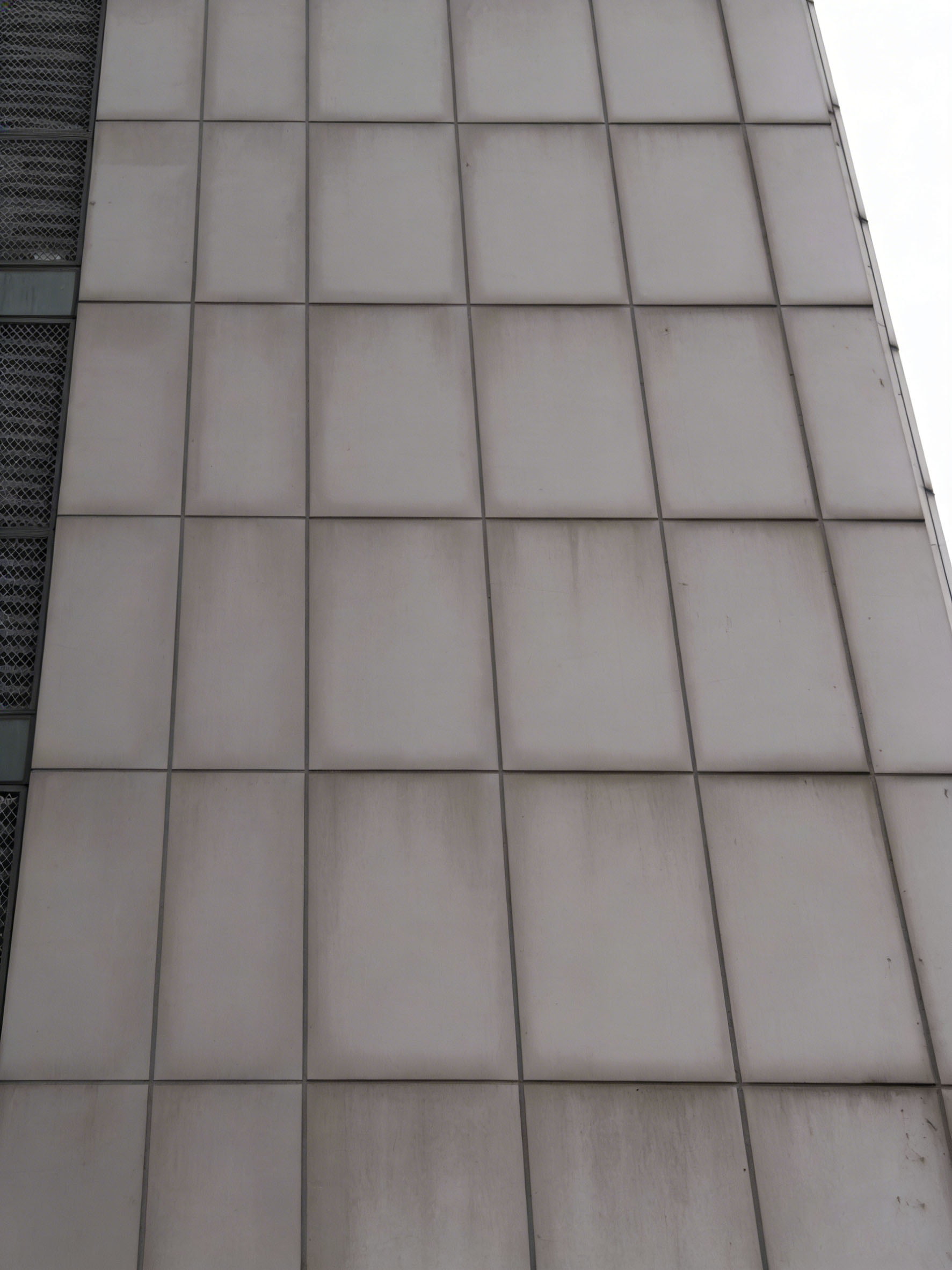
Architectural and infrastructure waterproofing: Concrete facades, bridges, retaining walls, car park decks, and stone masonry. L320 OCTEO forms a deep hydrophobic zone that resists water ingress, acid rain, and chloride ion penetration — one of the primary causes of rebar corrosion in reinforced concrete structures. Because protection is subsurface rather than a surface film, it is not removed by normal cleaning, foot traffic, or surface weathering.
Mineral filler modification for plastics and rubber: Silica and aluminium trihydrate (ATH) fillers treated with L320 OCTEO show significantly improved dispersion in non-polar polymer matrices, reduced agglomeration, and enhanced compatibility with the polymer interface. This translates to improved mechanical properties and processability in filled rubber and thermoplastic compounds.
Pigment surface treatment: Hydrophobic surface treatment with L320 OCTEO improves the dispersibility of inorganic pigments in non-polar solvent and resin systems, reduces moisture-induced clumping in storage, and improves color development in oil-based coatings and printing inks.
L320 OCTEO vs. Alternative Silane Waterproofing Chemistries
| Material | Active Group | Penetration | Cure Speed | Relative Cost |
| L320 OCTEO (Octyltriethoxysilane) | C8 alkyl | Deep (monomer) | Moderate | Mid |
| Isobutyltriethoxysilane (iBTES) | C4 isobutyl | Deep (monomer) | Moderate | Lower |
| Siliconate (potassium methyl siliconate) | Methyl | Surface–moderate | Fast (alkaline cure) | Low |
| Oligomeric siloxane (e.g., BS 290 type) | Methyl/ethyl | Moderate | Moderate | Mid–High |
| Silane-siloxane blend | Mixed | Deep + surface | Moderate | Mid–High |
The C8 chain length in L320 OCTEO provides more effective hydrophobicity per active site compared to shorter-chain silanes (C4), while maintaining the low molecular weight and low viscosity necessary for deep penetration. Siliconate products cure faster but typically provide shallower penetration and lower durability under UV and mechanical stress. Silane-siloxane blends offer combined penetration and surface treatment in a single application, at higher cost.
FAQ
How long does L320 OCTEO treatment last on concrete? When correctly applied to a reactive, alkaline substrate with adequate penetration depth, the covalent Si–O–substrate bond is permanent — the hydrophobic network does not wash off or degrade in the same way surface coatings do. Practical service life on concrete in architectural waterproofing applications is typically 10–20 years, depending on UV exposure and surface abrasion. The treatment should be evaluated and possibly reapplied on surfaces subject to heavy mechanical wear.
Can L320 OCTEO be used on limestone or marble? Calcium carbonate substrates (limestone, marble) lack the surface hydroxyl groups required for silane bonding and are not suitable for L320 OCTEO treatment. For calcareous stone waterproofing, fluorosilicate or stearate-based treatments are the appropriate alternative.
Does the treatment change the appearance of the substrate? In most cases, correctly applied L320 OCTEO is invisible after cure — the substrate retains its natural appearance. This is a significant advantage over film-forming sealers. The aesthetic check with a test patch (described above) is the reliable method to confirm this for a specific substrate.
What is the shelf life of the undiluted product? Unopened containers: typically 12 months when stored sealed, below 30°C, away from moisture. Exposure to atmospheric moisture will initiate hydrolysis and polymerization — containers must be resealed immediately after use.
Is L320 OCTEO REACH registered for supply into the European Union? Yes, L320 has registered REACH registration. Provide your target market and application so we can confirm applicable compliance documentation.
Can L320 OCTEO be mixed with other silane coupling agents? Yes, in formulated systems. Blending with shorter-chain silanes (e.g., aminosilanes, epoxysilanes) in mineral filler treatment is common practice to achieve combined functionality — hydrophobicity plus adhesion promotion, for example. Compatibility should be confirmed by small-scale evaluation before production use.
Technical Support and Samples
MANTA supplies L320 OCTEO with full technical documentation including TDS, SDS, and application guidelines. Our technical team supports formulation development for architectural waterproofing systems, mineral filler treatment processes, and custom application requirements across construction, coatings, and polymer compound industries.