Manta MS312 polymer drum for structural adhesive plants
REACH Registered

Structural-Grade MS Polymer | Manta MS312

Product Code: Manta MS312

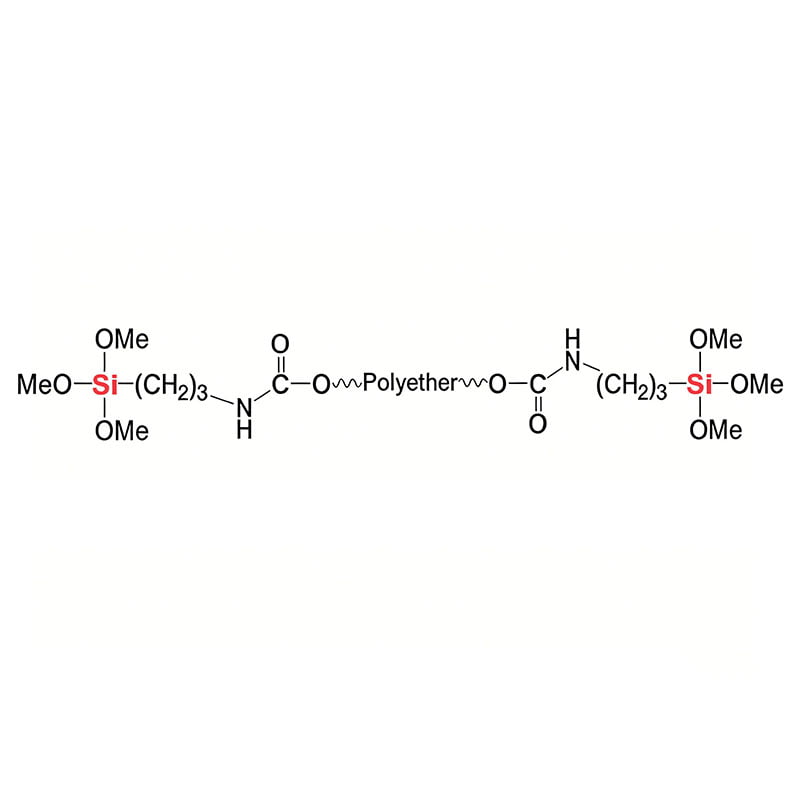
Chemical Name Trimethoxysilane Terminated Polyether
CAS Number 216597-12-5
Product Form Liquid

Technical Specifications

PARAMETER VALUE / RANGE
Appearance Colorless Transparent Liquid
Flash Point (℃) 237
Viscosity (25℃) / mpa·s 9000 – 15000
Density (25℃) / g/cm3 1.02 – 1.05
Catalyst Dosage (Tin, %) 1 - 2

Manta MS312 is a silane-terminated polyether polymer featuring trimethoxysilylpropylcarbamate terminal groups on high-purity Polypropylene Oxide (PPO) backbone.


Product Description

Manta MS312 is a trimethoxysilane-terminated polyether (CAS 216597-12-5, viscosity 9000-15000 mPa·s at 25°C, medium-high modulus) used as a reactive binder for moisture-curing structural adhesives, overpaintable construction sealants and potting compounds in automotive, rail and container engineering. It is comparable to Wacker GENIOSIL STP-E15 and carries a 24-month shelf life.

Manta MS312 is a silane-terminated polyether (STPE) polymer featuring trimethoxysilylpropylcarbamate terminal groups on a high-purity Polypropylene Oxide (PPO) backbone.

It is specifically designed as a reactive binder for high-modulus, elastic moisture-curing systems. Upon exposure to ambient humidity, MS312 undergoes controlled hydrolysis—releasing a small amount of methanol—to form a resilient and durable siloxane network. This polymer combines the easy processability of polyethers with the superior weatherability and adhesive strength characteristic of high-end silicone systems.
Properties

  • High Reactivity & Controlled Curing: Optimized for fast curing profiles when used with amine or organometallic catalysts.
  • Superior Mechanical Integrity: Offers high tensile strength and a high modulus, ideal for structural bonding applications.
  • Exceptional Optical Clarity: Formulated as a clear, colorless viscous oil, it is perfect for high-transparency sealants.
  • Enhanced Stability: Provides excellent resistance to yellowing and thermal aging, ensuring long-term aesthetic performance.
  • Excellent Processability: Low base viscosity allows for easy compounding with high filler loadings (PCC, GCC, etc.) without compromising flow.
  • Primerless Adhesion: Demonstrates a broad adhesion profile on various substrates, including metals, glass, ceramics, and many plastics.
  • Broad Service Temperature: Maintains stable mechanical properties across a wide temperature range due to its low glass transition temperature (Tg).


Manta MS312 is specifically designed as a reactive binder for high-modulus, elastic moisture-curing systems. Upon exposure to ambient humidity, MS312 undergoes controlled hydrolysis—releasing a small amount of methanol—to form a resilient and durable siloxane network. This polymer combines the easy processability of polyethers with the superior weatherability and adhesive strength characteristic of high-end silicone systems.


Applications

  1. Structural Adhesives: High-modulus binder for automotive engineering, rail transport, and container construction.
  2. Industrial Assembly: Ideal for “liquid nail” applications and high-strength assembly adhesives where rapid strength build-up is required.
  3. Construction Sealants: Used in premium, overpaintable sealants for building facades and window installations (Low VOC).
  4. Potting & Encapsulation: A reliable choice for electronic potting compounds and mold-making due to its low shrinkage and excellent dielectric properties.
  5. Surface Coatings: Acts as a reactive additive or binder to improve the scratch resistance and adhesion of industrial coatings.


Processing

  1. Moisture Sensitivity: Manta MS312 reacts with water or atmospheric moisture. To maintain product integrity and prevent premature gelation, it is essential to ensure hermetically sealed storage and a strictly moisture-controlled production process.
  2. Formulation Flexibility: The dosage of Manta MS312 can be adjusted to meet specific performance requirements. It exhibits excellent compatibility with common functional fillers, including PCC, GCC, fumed silica, quartz flour, diatomaceous earth, and aluminum hydroxide.
  3. Dehydration: Fillers must be thoroughly dehydrated before compounding to avoid unintended curing. Vinyltrimethoxysilane (VTMO) is recommended as a highly efficient water scavenger to neutralize residual moisture.
  4. Plasticizer Compatibility: Suitable plasticizers include various phthalates (e.g., DINP, DIDP, DOTP) and low-molecular-weight polyethers (PPG).
  5. Performance Additives: To optimize end-product properties, MS312 can be formulated with adhesion promoters, antioxidants, fungicides, and UV stabilizers.


Typical Performance of a Reference Sample

MS312 Inspection Items Standard Analysis Results
Appearance Colorless or light yellow

transparent liquid

Colorless transparent liquid
Viscosity(25℃) mPa.s 7000 – 13000 8667
pH Value 6-9 7
Tensile Strength Mpa ≥ 0.5MPa 0.53
Elongation at tensile break% ≥ 50 60
Hardness(Shore A) ≥ 50 40


Reference Formulation:  

Component Parts by Weight Example / Function
Manta MS330C 30 – 40 MS Polymer
Plasticizer 10 – 20 PPG, DINP, or DOTP
Water Scavenger 1 – 2 Vinyltrimethoxysilane (VTMO)
Thixotropic Agent 2 – 5 Fumed Silica

(Hydrophilic or Hydrophobic)

Fillers 40 – 50 Ground Calcium Carbonate (GCC) / TiO₂
Antioxidants and UV-stabilizers 0.1 – 2 Hindered Phenols (AO) / HALS (UV)
Adhesion Promoter 1 – 2 Amino-silanes (e.g., AMEO, AMMO)
Catalyst 0.3 – 0.6 Organotin (DBTDL) or Tin-free alternatives


Application Areas

Adhesives & Sealants Paints & Coatings

Packaging & Handling

Packing

50kg plastic drum lined with aluminum foil bag; 200kg drum lined with aluminum foil bag;

1000kg IBC/Tote;

Can be customized.


Safety and Storage

Keep in a cool and dry place and avoid storage in direct sunlight. Shelf life is 24 months. It is non-hazardous substance.

Support

Frequently Asked Questions

Which commercial polymer grade is Manta MS312 comparable to?

According to the technical data sheet, Manta MS312 is comparable to Wacker GENIOSIL STP-E15. Both are trimethoxysilane-terminated polyethers used as binders for moisture-curing adhesives and sealants.

How much catalyst does an MS312 formulation need?

The data sheet lists a tin catalyst dosage of 1-2%, and the reference formulation uses 0.3-0.6 parts by weight of organotin (DBTDL) or a tin-free alternative. MS312 also cures with amine or organometallic catalysts for controlled curing profiles.

What does a typical MS312-based sealant formulation look like?

The reference formulation combines 30-40 parts polymer, 10-20 parts plasticizer (PPG, DINP or DOTP), 1-2 parts VTMO water scavenger, 2-5 parts fumed silica, 40-50 parts fillers (GCC/TiO2), 0.1-2 parts antioxidants and UV stabilizers, 1-2 parts amino-silane adhesion promoter and 0.3-0.6 parts catalyst.

What performance does an MS312 reference sample show after curing?

A tested reference sample gave a viscosity of 8667 mPa·s at 25°C, pH 7, tensile strength of 0.53 MPa and elongation at break of 60%, against standards of at least 0.5 MPa tensile strength and at least 50% elongation.

How long can Manta MS312 be stored?

MS312 has a 24-month shelf life, which is longer than the 12 months typical of many Manta MS grades. Keep it in a cool, dry place away from direct sunlight; it is classified as a non-hazardous substance.

Should I choose MS312 or MS330C for a trimethoxysilane-terminated binder?

Both share CAS 216597-12-5, medium-high modulus and a 24-month shelf life. MS312 is medium activity with a lower viscosity of 9000-15000 mPa·s at 25°C, while MS330C is high activity at 20000-35000 mPa·s, so MS312 favors easier compounding and MS330C favors faster tack-free behavior.

Still have questions?
Our technical team is ready to help with formulation support.
Contact Us

Ready to work with Structural-Grade MS Polymer | Manta MS312?

From 1-gram laboratory trials to 1,000+ kg production runs. Full CoA, SDS, REACH/TSCA documentation included. Laboratory samples available within days.

+86 189 6107 1292 inquiry@mantasil.com